Wildlife Seen From the Ferry

Spot Whales, Dolphins, Birds and More from the Cape May – Lewes Ferry

One of the great things about a Ferry trip is the ability to see Delaware Bay wildlife from a new vantage point. On any journey, it’s not unusual to spot Shore Birds such as Osprey, Red Knots, Gannets, and Egrets, and the ferry is a favorite among Birders for spotting many of the East Coast migrating birds. In addition, the Ferry is a great way to spot whales and dolphins. Here a just a few you might frequently see:

Osprey
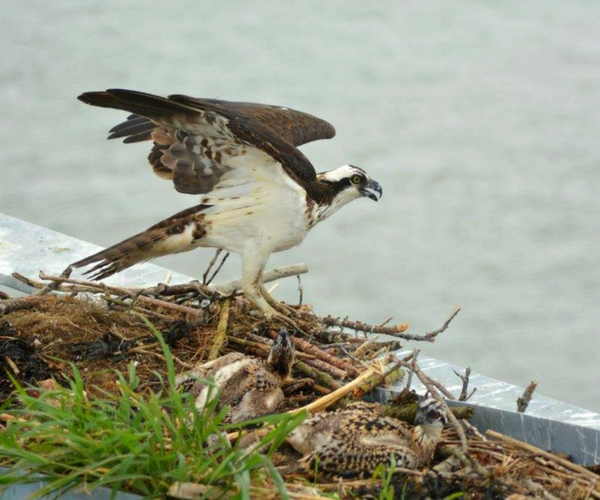
  • When You See Them: Spring & Summer 
  • Where You See Them: Close to shore along the Delaware Bay
  • Color: Brown and White 
  • Favorite Food: Fish 
  • Fun Fact: A family of ospreys builds their nest by the Lewes Terminal every year, and you can say hi to them as you sail by!

Bald Eagle  
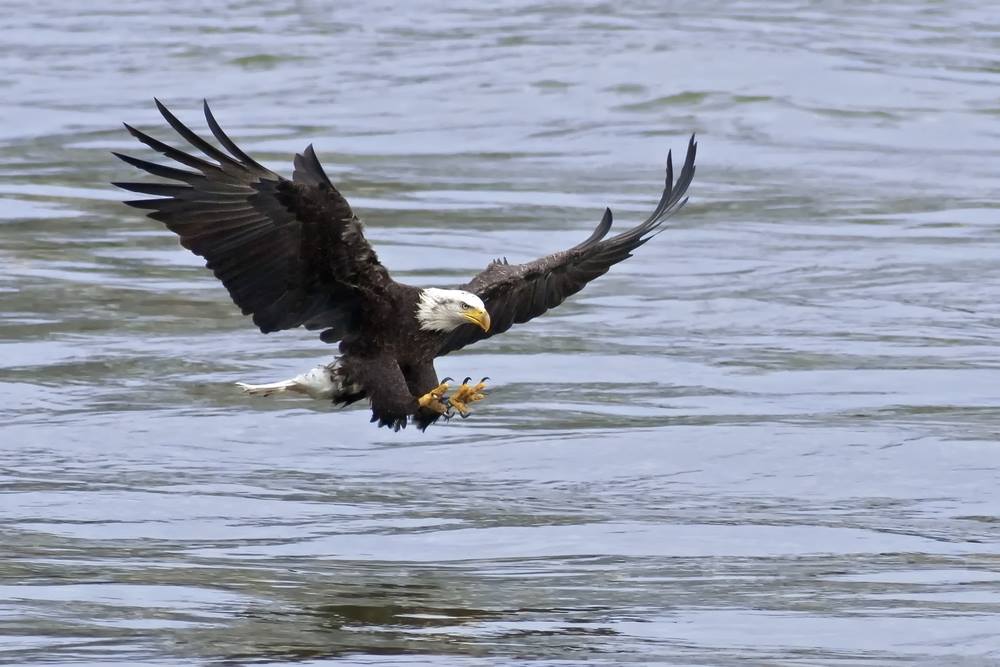
  • When You See Them: Year round! 
  • Where You See Them: Nests in trees near the bay 
  • Color: Brown, with a white head 
  • Favorite Food: Fish 
  • Fun Fact: Bald Eagles can sometimes be seen swooping down by the bay and catching fish with their powerful talons.

Dolphin
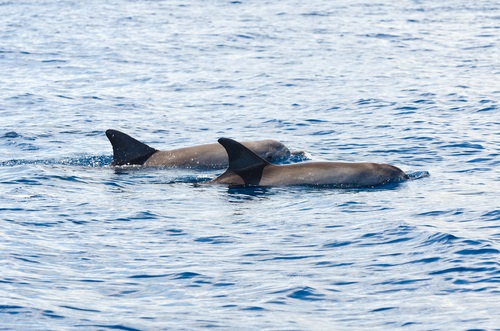
  • When You See Them: Spring & Summer 
  • Where You See Them: In the bay, alongside the ferry 
  • Color: Grey
  • Favorite Food: Small fish & crustaceans 
  • Fun Fact: Dolphins can sometimes be spotted swimming alongside the ferry, and they are excellent synchronized swimmers!

Egret
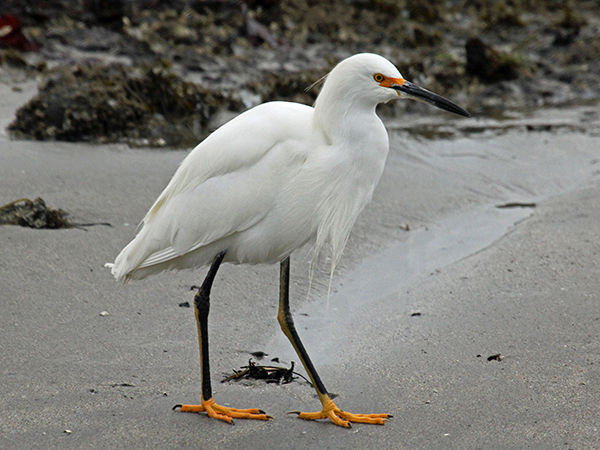
  • When You See Them: Summer
  • Where You See Them: In the marshes near the ferry
  • Color: White
  • Favorite Food: Fish, insects, and shrimp
  • Fun Fact: To look for food, Egrets stir the water up with their long skinny legs!

Gannet
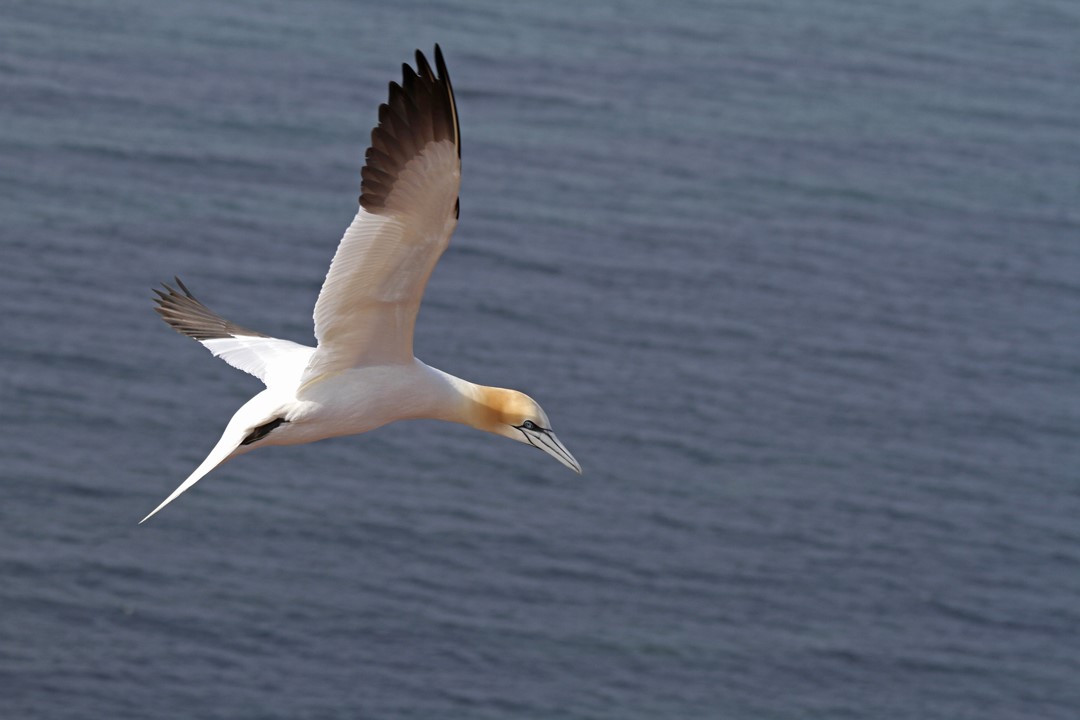
  • When You See Them: Spring  
  • Where You See Them: All Around the Boat! 
  • Color: White, with Orange and Black 
  • Favorite Food: Small fish and squid 
  • Fun Fact: Gannets love following behind the Ferry, and diving in to eat up the small fish in our wake!

Horseshoe Crab
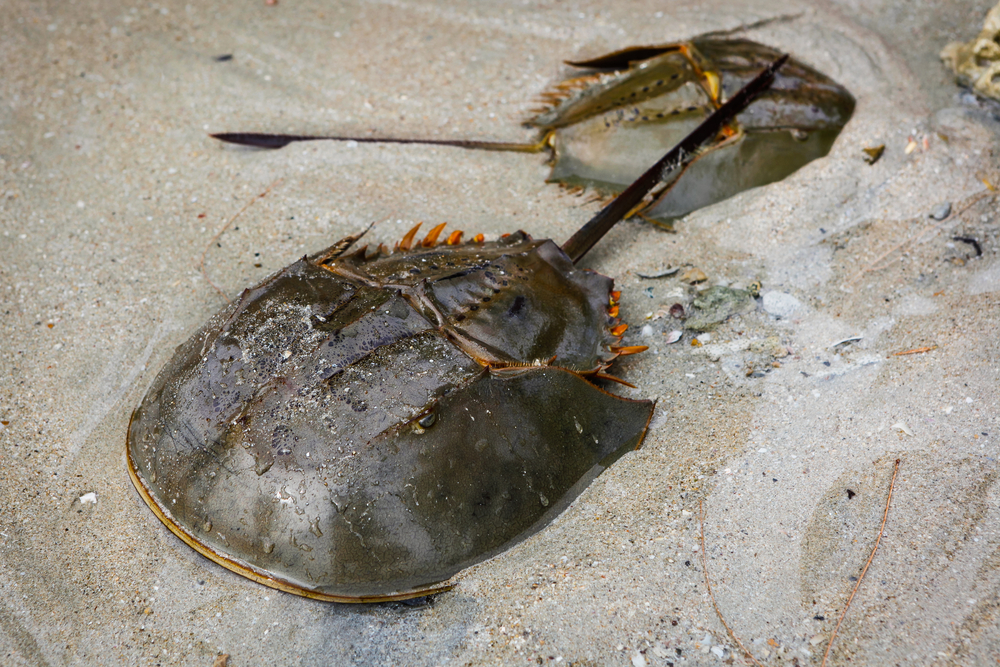
  • When You See Them: Late Spring & Summer 
  • Where You See Them: Along the shoreline 
  • Color: Brown
  • Favorite Food: Clams and Mussels 
  • Fun Fact: Horseshoe crabs aren’t actually crabs! In fact, they are more closely related to spiders than they are to actual crabs.

Piping Plover
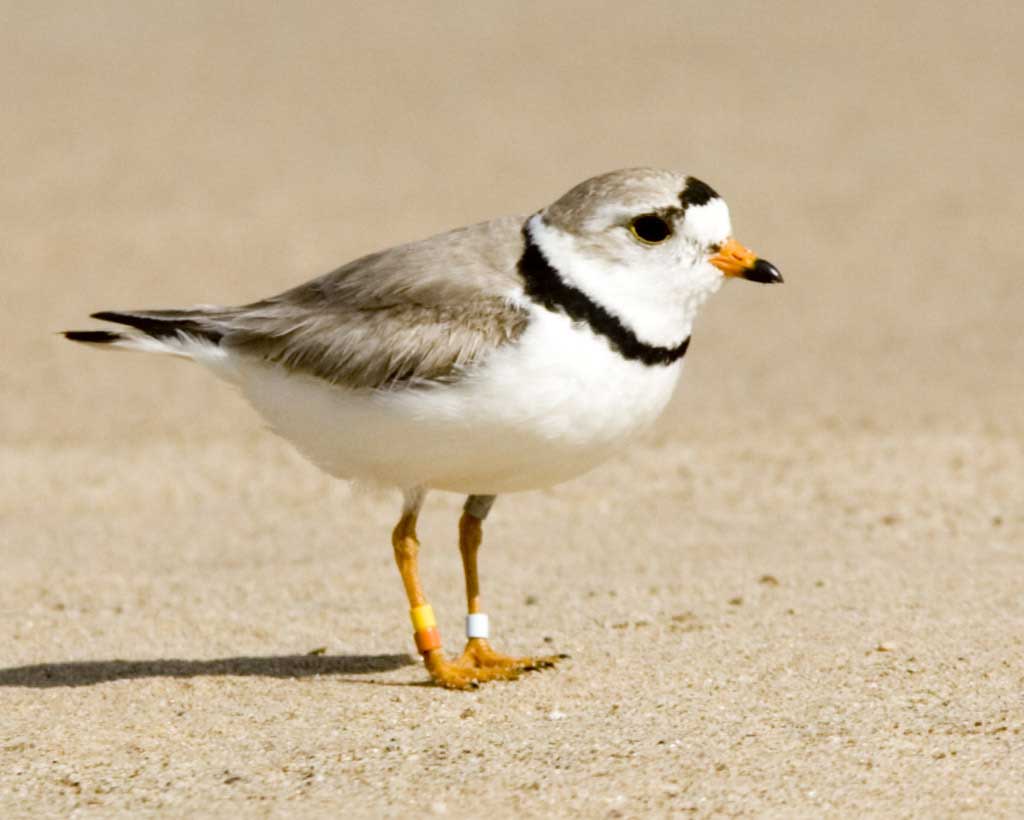
  • When You See Them: Summer 
  • Where You See Them: Scurrying along the shoreline 
  • Color: Light brown & White 
  • Favorite Food: Small insects 
  • Fun Fact: If a predator comes near their nest, adult plovers pretend to have a broken wing in order to distract the intruder away from their young.

Red Knot
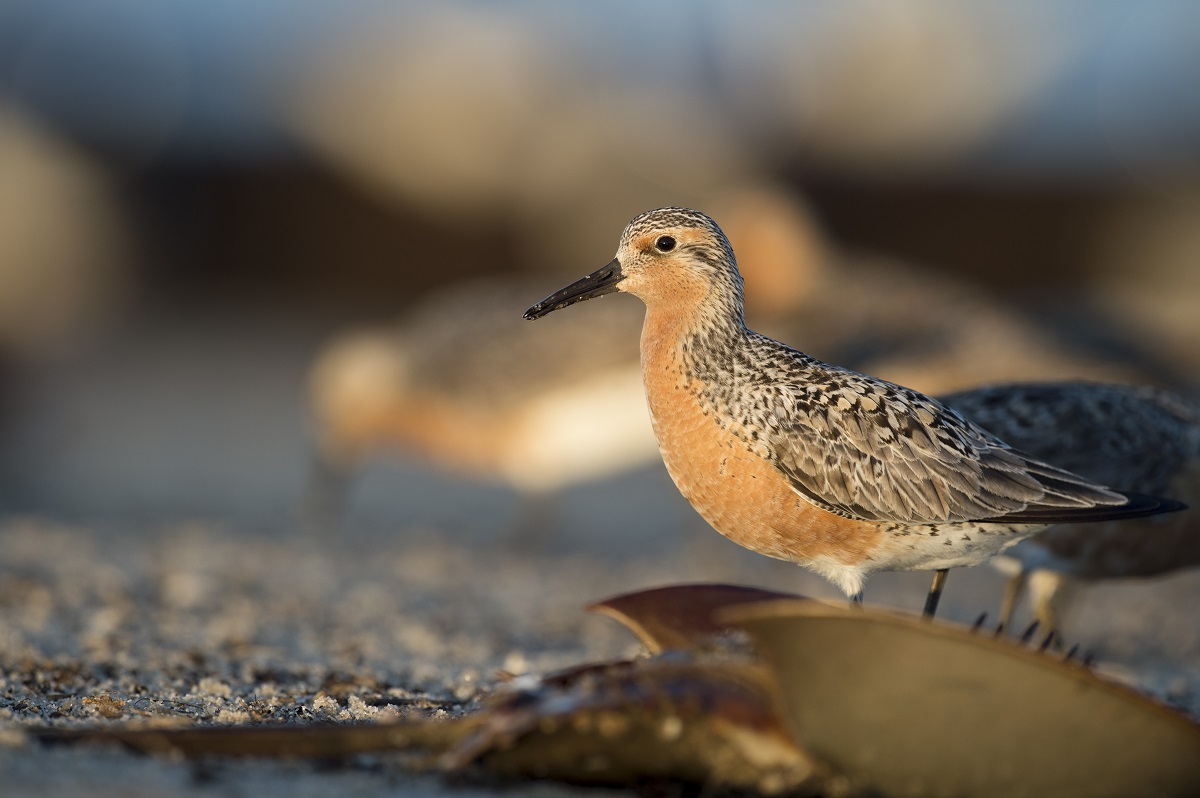
  • When You See Them: Spring & Summer 
  • Where You See Them: On the shore and beaches 
  • Color: Red and light brown 
  • Favorite Food: Insects and horseshoe crab eggs 
  • Fun Fact: Red Knots take a very long trip every year, migrating from Northern Canada to the southern tip of South America.

Seal
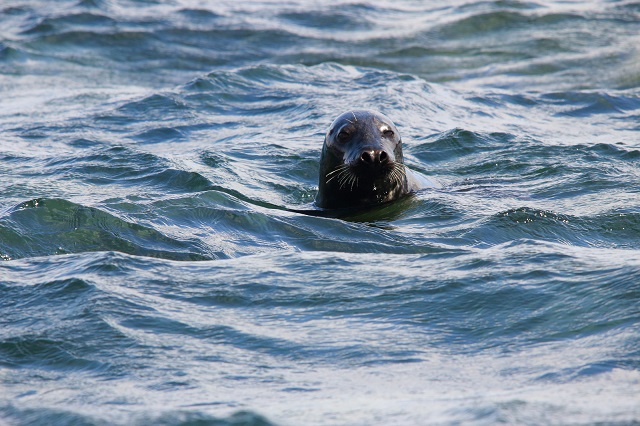
  • When You See Them: Spring 
  • Where You See Them: In the bay and by the rocks 
  • Color: Grey or Tan
  • Favorite Food: Fish & Squid 
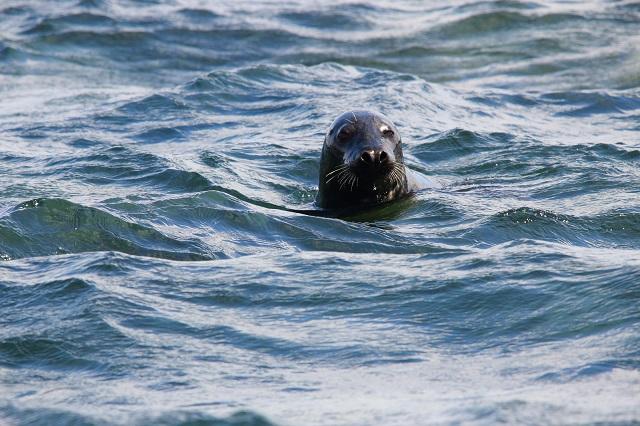
  • Fun Fact: There are three different types of seal in the Delaware Bay: Grey Seals, Harp Seals, and Harbor Seals.

Whale
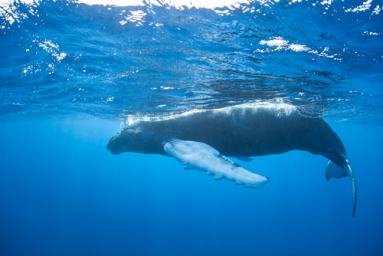
  • When You See Them: Year Round! 
  • Where You See Them: In the bay, alongside the ferry 
  • Color: Black or Dark Grey 
  • Favorite Food: Krill & small fish
 

Take a Ride on The Wild Side!

Marine Life Rescue Heroes

Saving Our Sea(Life) 

April 27 is the officially designated as Marine Mammal Rescue Day across the nation, but for two organizations on different sides of the Delaware Bay that mission is far more often than just one day a year. Both the MERR Institute in Lewes, Delaware and the Marine Mammal Stranding Center in Brigantine, NJ are on call 24/7 to provide emergency care to marine mammals injured in local waters.

The MERR (Marine Education, Research and Rehabilitation) Institute provides rescue and care for turtles, dolphins and other marine mammals who are injured or ill and found on Delaware’s beaches. If the animal is severely hurt, emergency transport is provided over to the New Jersey side to Brigantine’s Mammal Stranding Center. If schedules and time permits, MERR’s volunteers drive the injured mammals to NJ via the Cape May-Lewes Ferry. It’s a shorter trip with less traffic noise and road bumps to disturb the wounded animals. Once rehabilitated, it’s also common to see happier trips such as with the turtle above where NJ volunteers return animals via the Ferry to their native waters in Delaware and points farther south including Virginia, and Maryland.

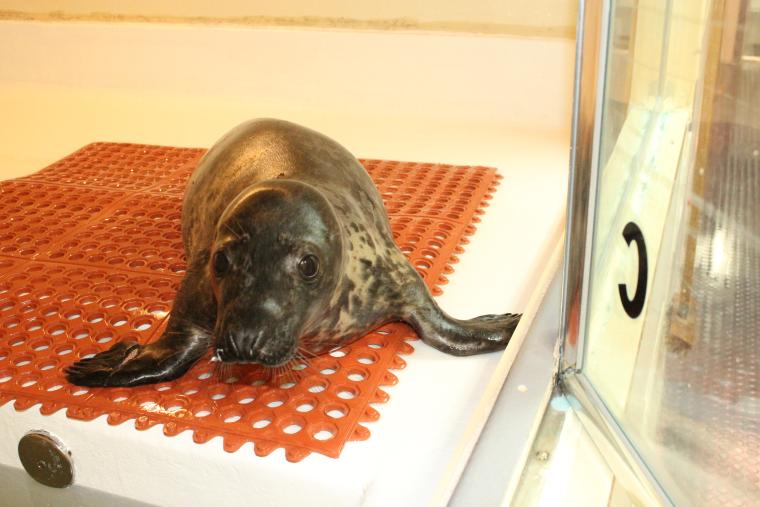
Seal rescued

According to MERR, accidents happen for many reasons – some natural and some man made. It’s far too common, particularly in the spring, to find a stranded seal with gashes that could occur from either shark attacks or run ins with propellers from private and commercial boats on the Bay.

Executive Director Suzanne Thurman notes that man made upsets can also occur on a much larger scale including recent initiatives to reinstate seismic testing for oil drilling on open waters on the eastern seaboard.  “Blasts could affect more than 36 species of marine mammals and sea turtles along Delaware’s small coastline,” Thurman stated. She added that blasts can cause everything from severe hearing loss to mothers inadvertently abandoning their young.

The Marine Mammal Stranding Center(MMSC) has been in operation for more than 40 years, having assisted in close 6,000 strandings of large whales to smaller sea turtles who have come ashore due to distress situations. Directed by Bob Schoelkopf for the entire 40-year period, the center is designed to care for animals found in New Jersey only, but whenever necessary has opened its doors and full facilities to animals from other states such as the MERR rescues. Animals have come to the center from the full length of the U.S. eastern coastline — Maine to Florida.

Delaware Bay Seals seen from the Cape May Lewes Ferry

The MMSC goal is to rehabilitate animals in a humane and efficient way to return them to the wild in the shortest possible time. In extreme situations Schoelkopf states, “When animals may not be released (such as a disability), every effort is made to secure a proper, enriching facility to provide lifetime care.”

When released, MMSC brings them as far north or south as possible to assist them on their way toward where they had been intending to go prior the incident that brought them into the facility for rehabilitation. In the case of the harbor seal shown above, she was picked up in Delaware in the spring, transported to MMSC, was undergoing rehabilitation in the ICU unit, and would be scheduled to transfer to a pool  for strengthening and exercise after being cleared by a veterinarian. Ideally, she would then be transported to Sandy Hook, NJ in early summer to allow her intended migration north to cooler waters for the summer.

All marine mammals are federally protected and only organizations such as MERR and MMSC are authorized to pick up and handle the animals. When animals are stranded, both groups recommend that people do not approach the hurt mammals, but instead immediately call for assistance. Because these animals are wild, they can bite or cause more harm to both the person trying to assist as well as themselves.  This recommendation also holds for deceased mammals that wash up on NJ and DE shores to allow the marine rescue teams to do clean necropsies and better understand issues affecting marine health in our local waters.

Both organizations are committed to ongoing research and public education on conservation and marine life issues on our coastal waterways. Many of the animals are endangered species, and both organizations are strongly committed to ongoing stewardship of the Bay, inland water and ocean habitats common to both states.

Volunteers are always needed to help with transporting and rescue duties and both organizations are supported by memberships and sponsor donations.

For more information:  

 MERR
Web sitewww.merrinstitute.org
Facebookhttps://www.facebook.com/MERRInstitute/
Phone302-228-5029
E-mailmerrinstitute@gmail.com
 MMSC
Web sitehttps://mmsc.org
Facebookhttps://www.facebook.com/njmarinemammal/
Phone609-266-0538
E-mailinfo@mmsc.org

Check Out The Latest Edition of the Twin Capes Traveller!

Search in CMLF

Cape May Lewes Ferry

Subscribe to our newsletter

Booking Form