Senator Cory Booker Visits Cape May-Lewes Ferry, Announces $30 Million for Second Diesel-Hybrid Ferry
Federal funding advances the Cape May-Lewes Ferry’s long-term fleet modernization program and plans for a second next-generation vessel.
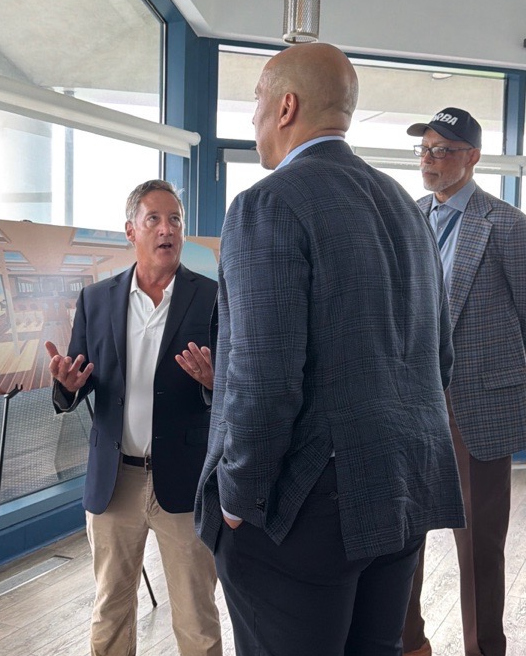
“This ferry system right here is vital not just to Cape May County but to the entire region we’re in. It’s going to bring jobs to our state, economic vitality and just ease of transportation.”
Senator Cory Booker*
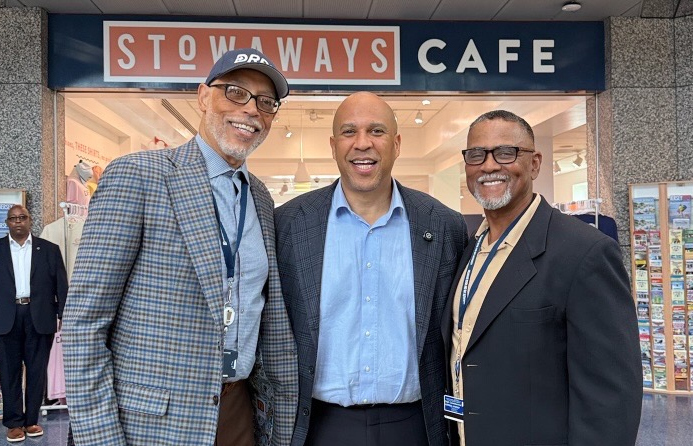
U.S. Senator Cory Booker joined Delaware River and Bay Authority (DRBA) officials at the Cape May Ferry Terminal on Friday, August 28, to highlight $30 million in additional federal funding secured for a second new diesel-hybrid passenger and vehicle ferry. This was the final day of the Senators Annual 21-County Tour.
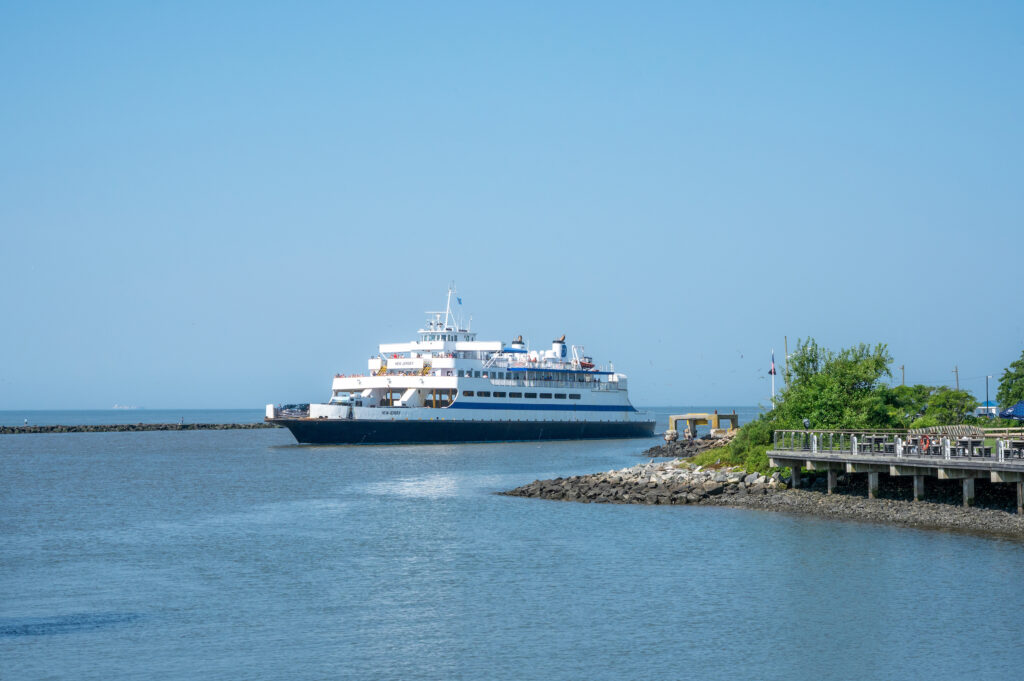
During his visit, Senator Booker toured Cape May-Lewes Ferry operations with DRBA leadership, learned more about the Ferry’s ongoing vessel modernization program and saw firsthand the current fleet that has served travelers across the Delaware Bay for decades.
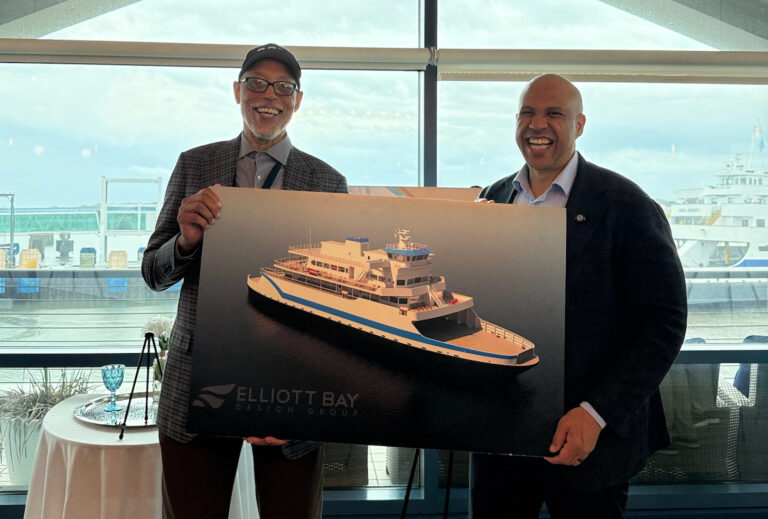
The additional $30 million in federal funding represents another major step toward modernizing the Cape May-Lewes Ferry fleet and supporting reliable ferry service between Cape May, New Jersey, and Lewes, Delaware for future generations.
"For over 60 years, the Cape May–Lewes Ferry has been a vital crossing connecting New Jersey and Delaware, which is a significant contributor to our regional economy. This grant award is critical toward our efforts to modernize our fleet with cleaner, more efficient hybrid technology for the next generation. Beyond the environmental benefits, this investment safeguards an essential engine that drives more than $250 million in annual tourism and economic activity to the region. We are incredibly thankful for Senator Booker’s dedicated advocacy on behalf of the DRBA and the thousands of travelers who depend on our crossing every day."
Joel Coppadge, Executive Director, Delaware River and Bay Authority
Senator Booker was joined by DRBA Executive Director Joel Coppadge, Deputy Executive Director Ceil Smith, Chief Operations Officer Vince Meconi and Director of Ferry Operations Heath Gehrke.
Building the Next Generation of Cape May-Lewes Ferry Vessels
The Cape May-Lewes Ferry is embarking on one of the most significant fleet modernization efforts in its history.
In November 2025, the DRBA awarded a $78.6 million contract to SENESCO Marine LLC of North Kingstown, Rhode Island, for the construction and outfitting of the first new 75-car passenger/vehicle diesel-hybrid ferry. The vessel is expected to enter service for the summer 2029 season.
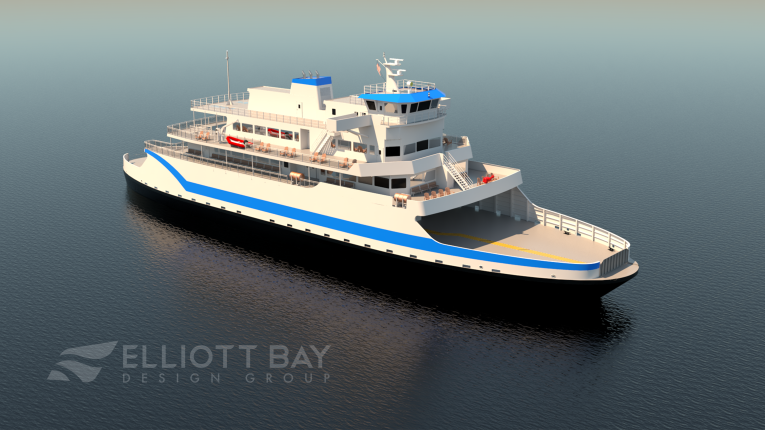
That first vessel received significant federal support through a $20 million U.S. Department of Transportation grant, with Senator Booker and members of Delaware’s Congressional delegation playing important roles in securing federal funding for the project.
The additional $30 million announced during Friday’s visit will help advance plans for a second diesel-hybrid vessel, continuing the DRBA’s long-term effort to replace its aging diesel-powered fleet.
The next-generation ferries are being designed to provide a more efficient and environmentally responsible approach to crossing the Delaware Bay while maintaining the vehicle and passenger transportation capabilities that have made the Cape May-Lewes Ferry an important regional transportation link for more than six decades.
Investing in the Future of the Cape May-Lewes Ferry
The Cape May-Lewes Ferry has connected Cape May, New Jersey, and Lewes, Delaware, since July 1, 1964, carrying more than 50 million passengers across the Delaware Bay.
Today, the Ferry serves not only as an alternative transportation route between New Jersey and Delaware, but also as an important contributor to tourism and economic activity throughout the region. Ferry operations support more than 4,000 jobs and generate hundreds of millions of dollars in regional economic activity.
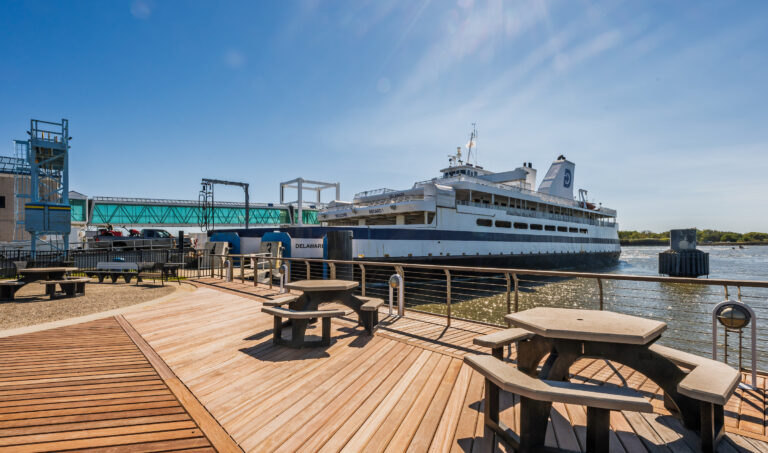
Modernizing the fleet is an important part of ensuring that connection continues well into the future.
Senator Booker’s visit provided an opportunity to see the Ferry operation firsthand, meet with DRBA team members and discuss how federal investment can support the next generation of vessels serving the Delaware Bay.
With the first diesel-hybrid ferry already under contract and additional federal funding now secured toward a second vessel, the Cape May-Lewes Ferry is moving forward with a long-term transformation of its fleet — one designed to preserve an iconic Delaware Bay transportation service while preparing it for the decades ahead.
*Sentor Cory Booker quote originally appeared in the
Cape May County Herald on August 28, 2026.
About the Cape May-Lewes Ferry
Owned and operated by the Delaware River and Bay Authority, the Cape May-Lewes Ferry provides year-round passenger and vehicle ferry service across the Delaware Bay between Cape May, New Jersey, and Lewes, Delaware. Since beginning operations in 1964, the Ferry has carried more than 50 million passengers and continues to serve as an important transportation connection and tourism gateway for the Mid-Atlantic region.