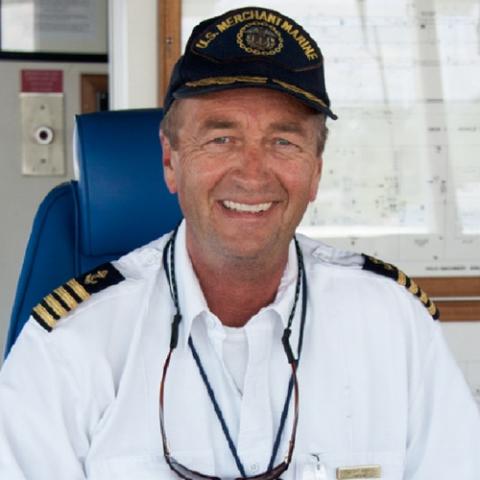
Meet Captain Robert Vance
A lifetime on the water
From the time he was a child, Capt. Robert Vance worked on the water. He’d help out on the party boats his grandfather and his uncle operated, and he enjoyed the experience so much that he knew he wanted sailing to be his career.
In March 1984, at age 24, Vance signed on with the Cape May-Lewes Ferry as a maintenance man, with the hope of a future as vessel captain. By that time, he had already taken his tests to be certified as a lifeboatman and an able seaman.
The maintenance job was my foot in the door at the ferry so I could begin my career here
Captain Vance
“The maintenance job was my foot in the door at the ferry so I could begin my career here,” he says.
Three months later, Vance took on the position of able seaman. “I documented my sea time anytime I was on the boats,” he says, “and I accumulated enough documented sea time to earn my inland mate’s license; first class pilotage for the lower Delaware Bay; mate’s, first class pilot’s and inland master’s for unlimited tonnage licenses; and, eventually, my captain’s license.”
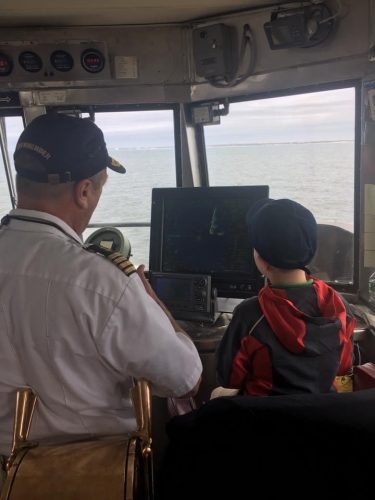
Other certifications that he had to earn included firefighting and radar observer. The whole process for becoming a captain took about six years. “It’s a long-term apprenticeship,” Vance says. After serving as a second mate for about a year and waiting for a captain’s position to open up on the ferry, Vance permanently took the helm in 1991. Even though he’s been plying the bay for so many years and has gotten to know it “like the back of my hand,” Vance is always aware that each day presents new challenges. “Anything can change from day to day and, sometimes, multiple times in one day—the traffic on the bay, the depth of the water, even the weather can change from minute to minute, and the ferry operates in all kinds of weather,” he says.
“We see changes often before the Coast Guard does, and we’re trained in critical boat handling even under the most adverse conditions.”
Life-saving and firefighting drills are part of every week’s routine for the ferry crew. “The safety of our passengers and crew is our No. 1 priority,” Vance says.
Every day that he sails, Vance is in awe of the beauty that surrounds him. “I get to see whales, dolphins, seals, ospreys, gannets and all kinds of other creatures on the bay, which makes it a great work environment,” he says. “I love my job.”

Fun Facts About Ferry Boats & Ferry History
How many standard vehicles can each Ferry carry?
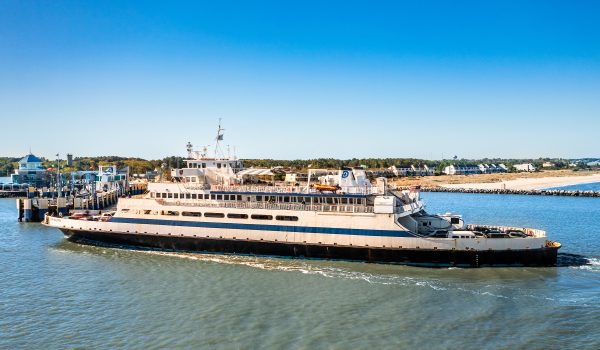
Each of the current Ferry vessels in the Cape May – Lewes Ferry fleet can carry 100 standard vehicles on the car deck.
How many passengers can each Ferry carry?
Each Ferry vessel in the Cape May – Lewes Ferry fleet can carry 800 passengers (we call them “Foot Passengers”) along with the 100 standard vehicles on the car deck.
If I want to be a Ferry Captain can I start working on the Ferry crew to get there?
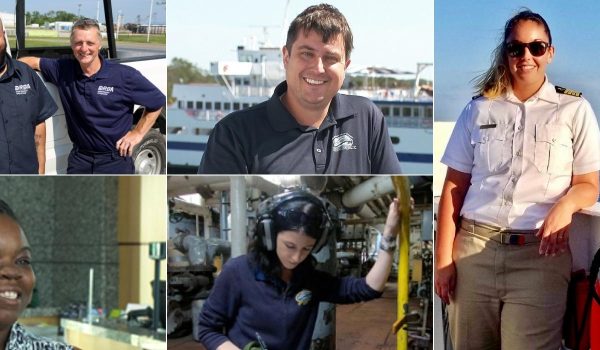
Yes you can! Anyone age 18 and over may apply to join the Cape May – Lewes Ferry crew, if you become a crew member you will begin – most likely – as an Ordinary Seaman, and work your way up. This is called the Hawespiper method. Learn more in our blog about Becoming a Ferry Captain.
Where was the first Ferry in the United States?
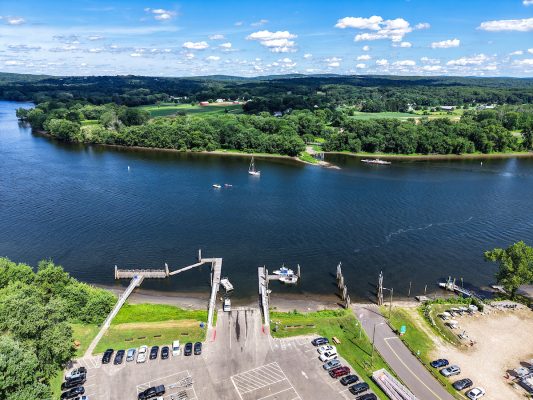
The first ferry in the United States is the Rocky Hill-Glastonbury Ferry, which began operating in 1655 across the Connecticut River. This ferry is also the oldest continuously operating one in the country, connecting the towns of Rocky Hill and Glastonbury.